
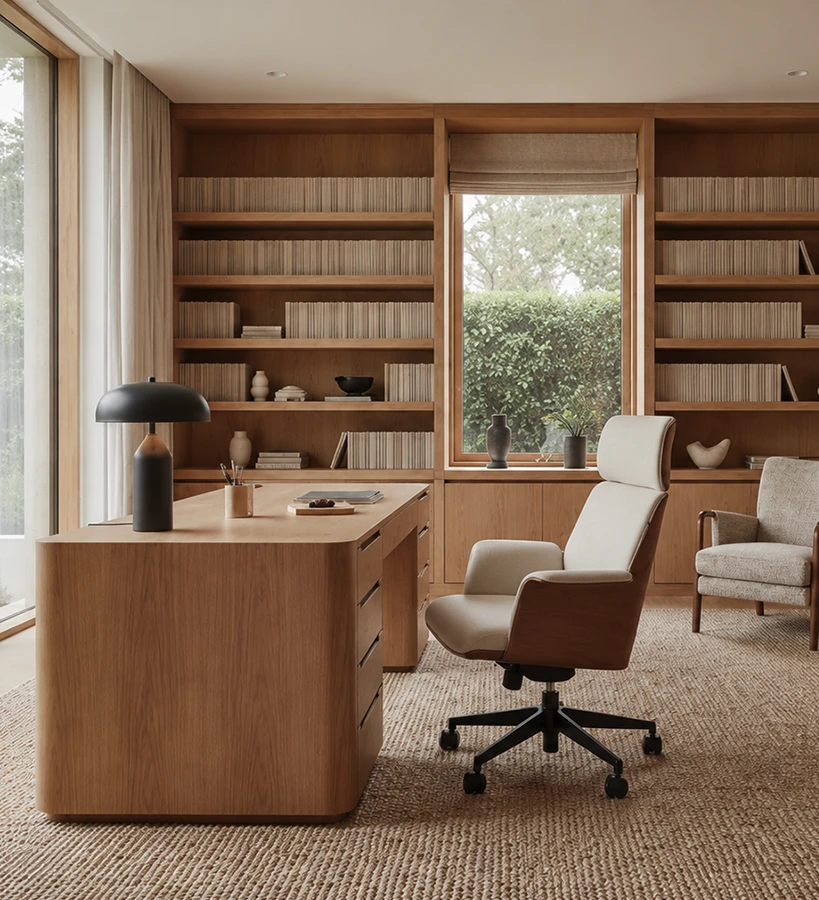
Choosing the right rug size can completely transform a room. Whether you are styling a cosy apartment, renovating a family home, or specifying finishes for a design project, selecting the correct rug size ensures your furniture layout feels balanced, spacious and beautifully finished.
Balance, proportion, and orientation are the silent conductors of a well-designed room. Follow these essential principles to ensure your rug enhances rather than hides your home’s character.
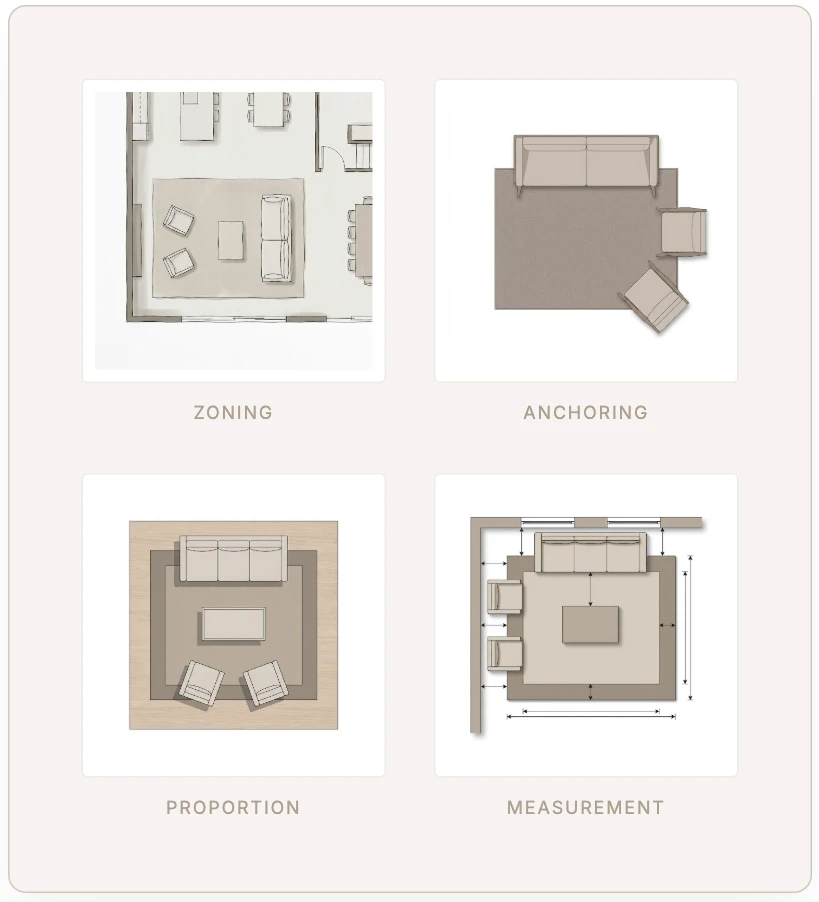
Leave 30-45cm of bare floor around the perimeter to create a "frame".
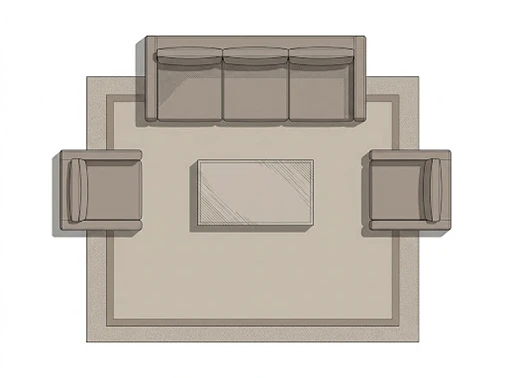
Either all furniture legs or at least the front two should anchor the rug.
Select a rug that covers at least 60-70% of the usable floor space.
The rug should mirror the orientation of the room's longest wall.
The living room is where your rug creates the most impact. It defines the conversation area and adds warmth to your gathering space.
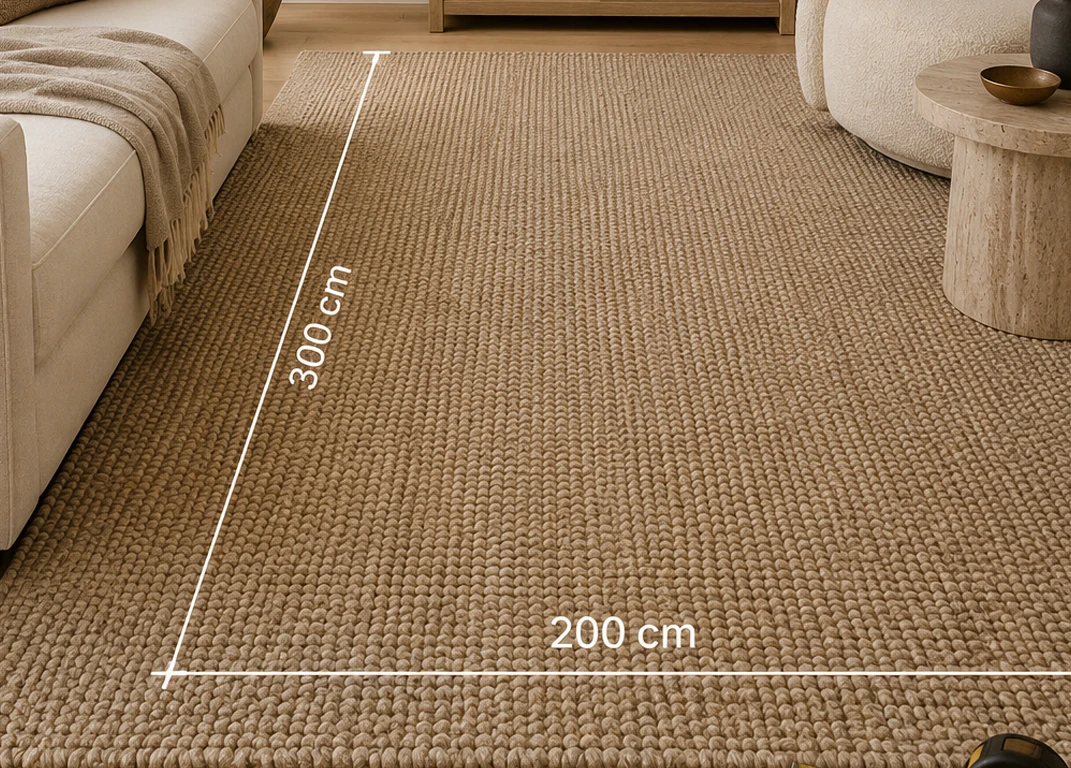
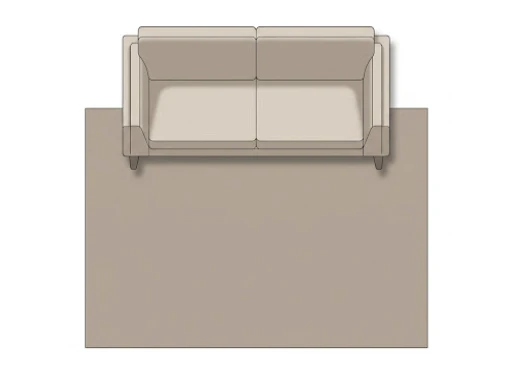
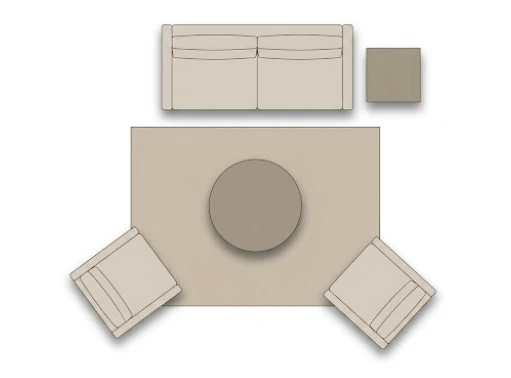
Ideal for smaller spaces. The rug should extend 20-30cm under the sofa, anchoring the seating group without feeling heavy. Recommended Sizes: 180 × 270 cm or 200 × 290 cm.
The gold standard for large, open-plan areas. Create a cohesive ‘island’ that defines the luxury zone clearly. Recommended Sizes: 240 × 330 cm or 300 × 400 cm.
Best for accentuating a coffee table. Ensure the rug is large enough so that it doesn’t look like a ‘postage stamp’. Recommended Sizes: 160 × 230 cm or 180 × 270 cm.
If your sofa is against a wall, ensure the rug width is at least 20cm wider than the sofa on each side to create a balanced proportion.
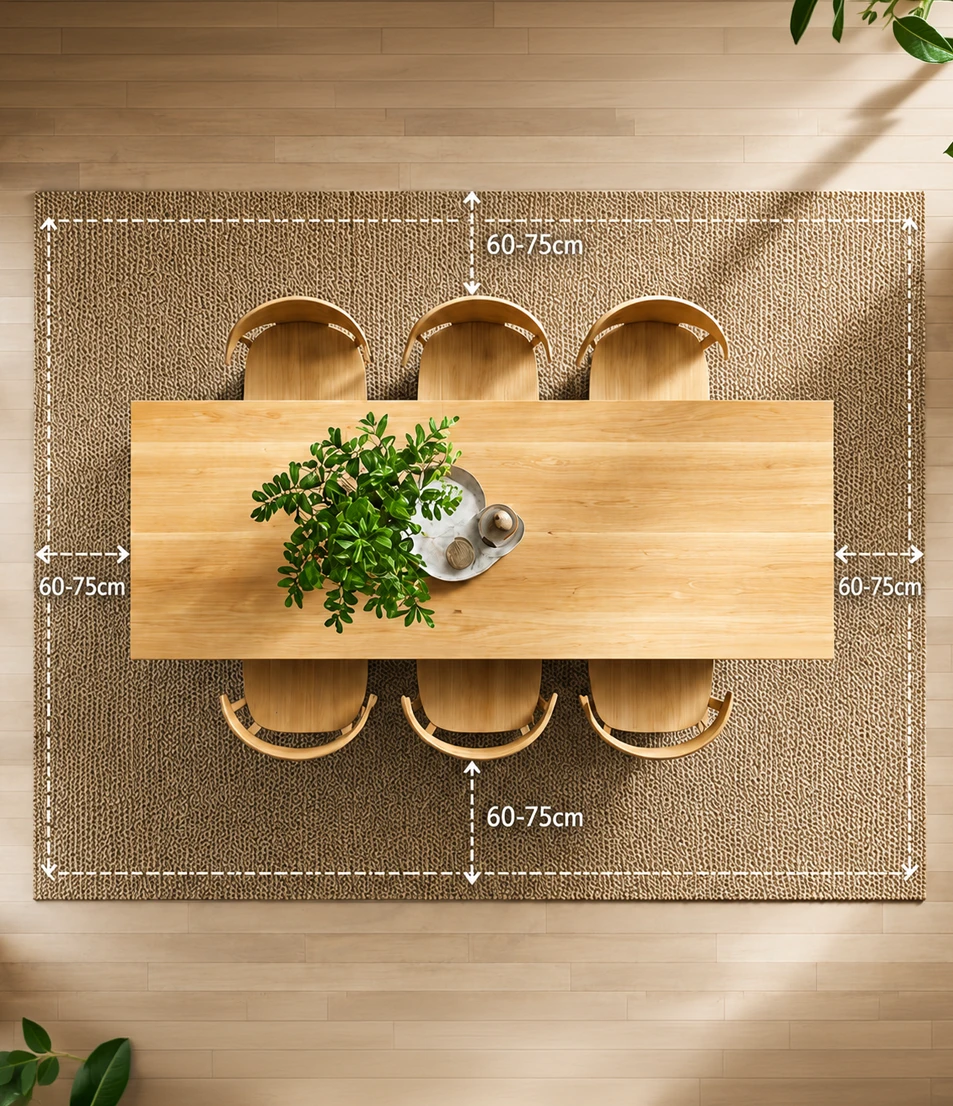
The critical measurement in the dining room is the “Chair Pull-Out”. A rug that catches chair legs as guests sit down is a functional failure.
Ensure the rug extends at least 60-75cm from the table edge on all sides.
Match your rug shape to your table. Round tables for round rugs, rectangular for rectangular.
4-6 Seater: 200 × 290 cm
6-8 Seater: 240 × 330 cm
8-10+ Seater: 300 × 400 cm
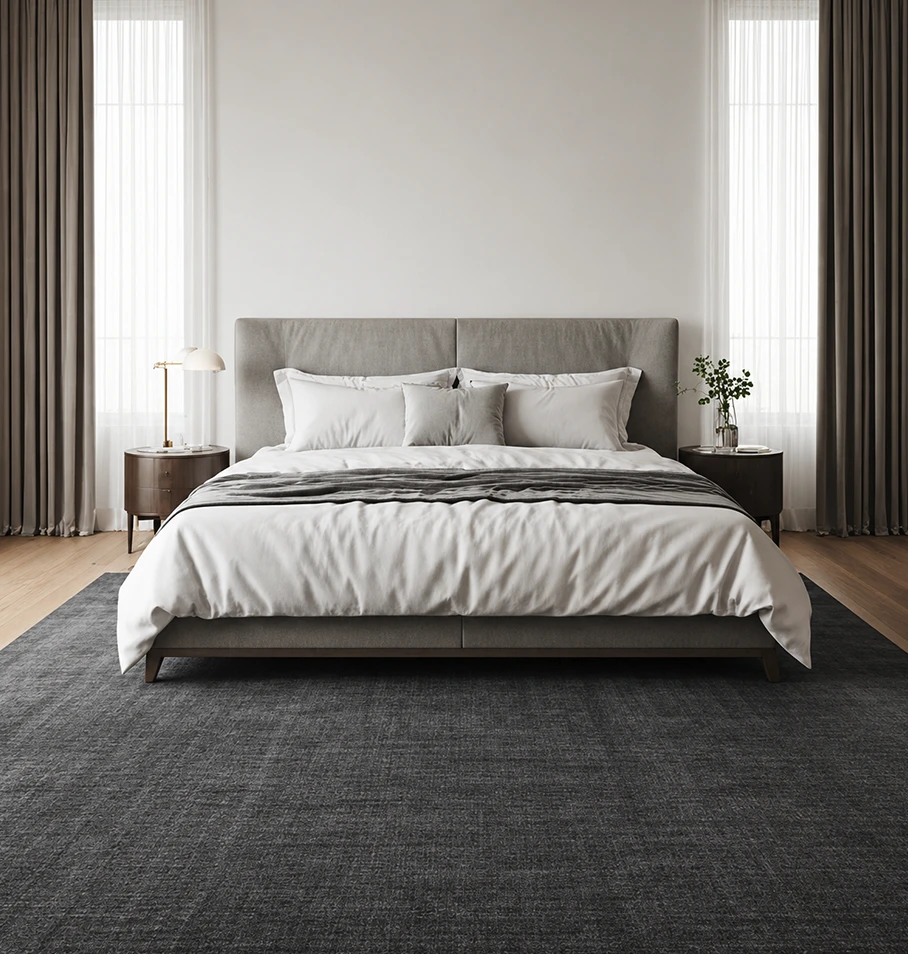
In the bedroom, a rug is about soft landings and sound dampening. The most common placement is perpendicular to the bed, under the lower two-thirds.
Recommended: 240 × 330 cm. Extends beautifully on all sides.
Recommended: 300 × 400 cm. Matches the grand scale of the bed.
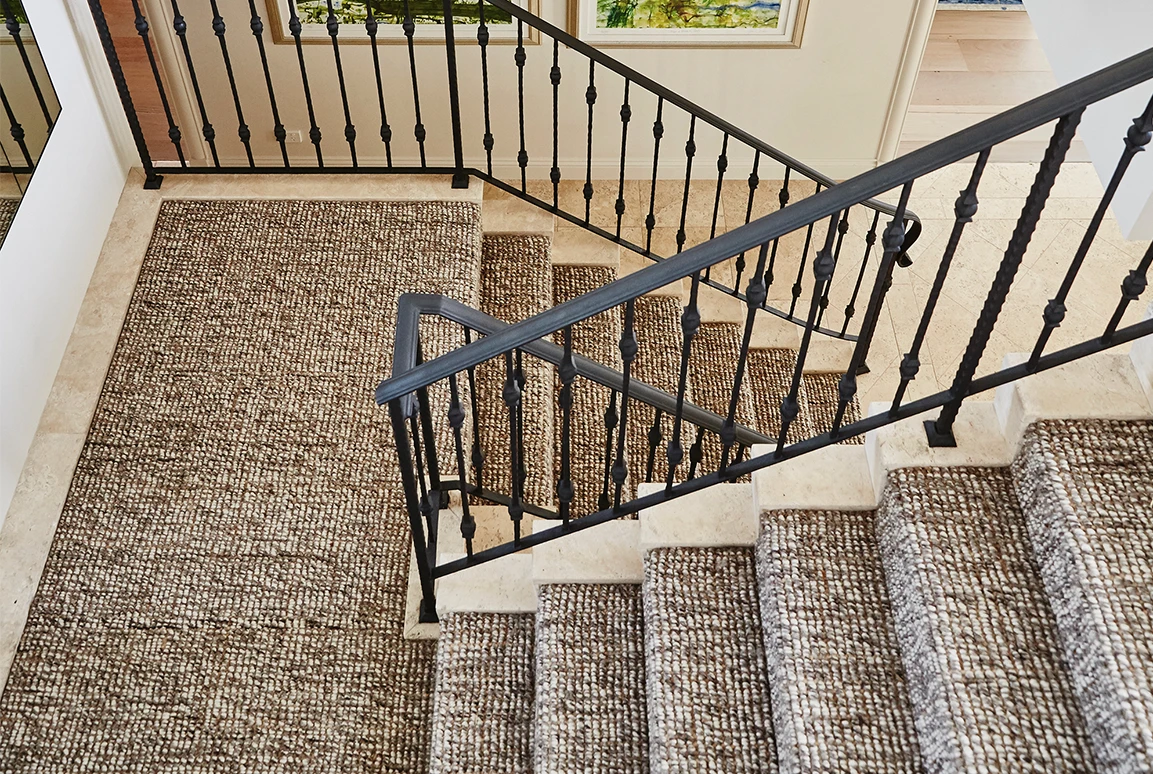
Hallway runners are the arteries of the home, defining transitions between spaces while protecting high-traffic flooring. A well-proportioned runner creates a sense of purposeful arrival.
Leave 10-15cm of bare floor on all sides of the runner for a balanced frame.
Ensure the pile height allows for easy door movement across the rug surface.
In a home office, a rug serves as both a sound-dampening acoustic layer and a visual anchor for your workspace. The key to office rug sizing is movement.
The most critical rule: your desk chair should remain entirely on the rug even when pushed back. Avoid catching casters on the rug edge, which causes premature wear and instability.
For compact desks or floating chairs.
Ideal for standard desks with full chair movement.
Best for executive desks and guest seating.
Opt for low-pile textures or flat-weaves. These allow office chairs to glide effortlessly while providing the warmth and comfort required for a productive environment.
Extend your living area to the terrace. Our outdoor rugs are designed for the Australian climate while maintaining the tactile luxury of an indoor piece.